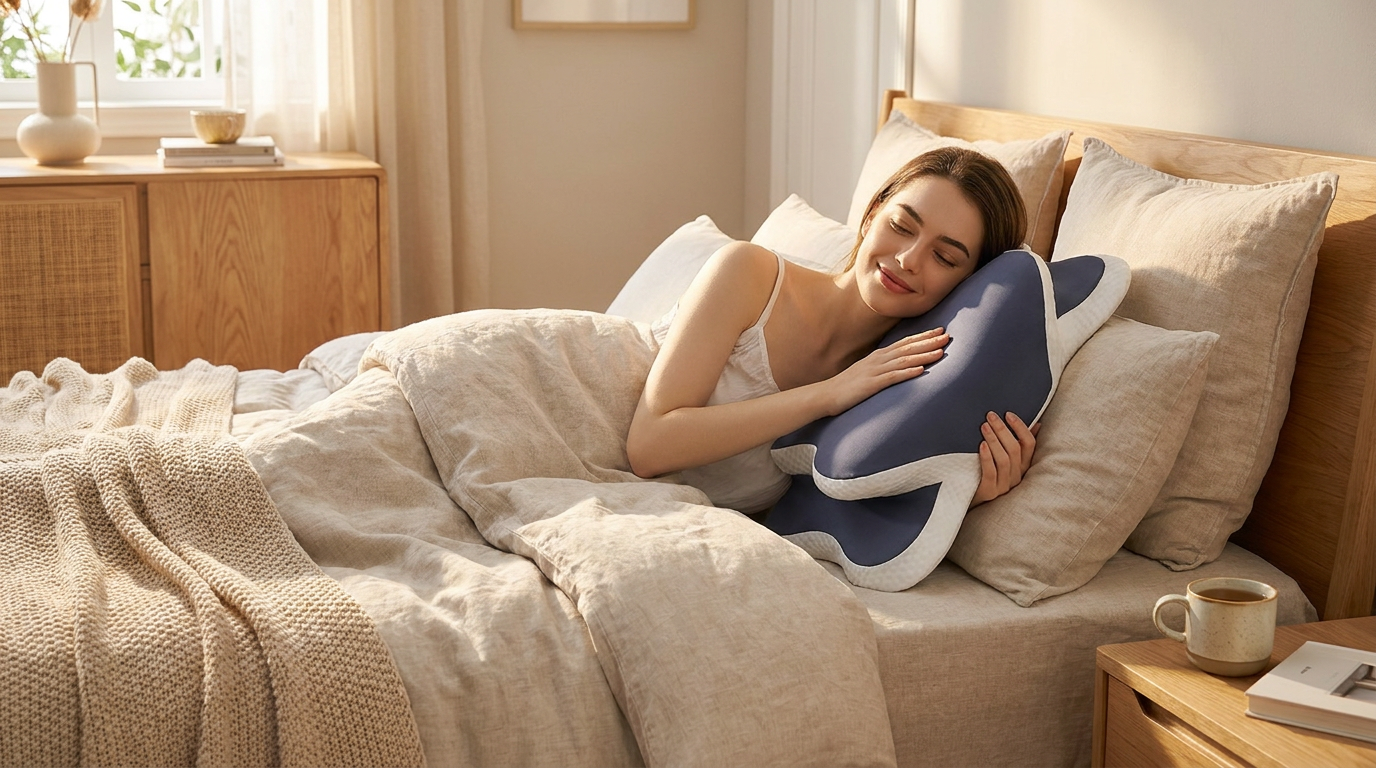
How a Cervical Pillow Helps Relieve Chronic Neck Pain
 Sam VasquezBuying Guide Lead
Living with cervical spondylosis means neck pain and stiffness can be a constant part of your day, especially in the morning. This age-related wear and tear on your spinal discs requires careful management, and the quality of your sleep plays a critical role. The right pillow isn't a luxury; it's an essential tool for maintaining spinal alignment and reducing stress on your vertebrae. The Memory Foam Cervical Pillow Neck Pain Relief is engineered specifically to provide this therapeutic support, helping you find comfort and relief through the night.
Understanding Cervical Spondylosis and Sleep Posture
Cervical spondylosis involves the degeneration of the bones and discs in the neck, which can lead to pain, stiffness, and nerve compression. During sleep, an unsupportive pillow can force your neck into an unnatural position, exacerbating these symptoms. According to experts at Johns Hopkins Medicine, maintaining a neutral spine—where your head and neck are aligned with the rest of your body—is key to preventing additional strain. This is where a specialized pillow becomes invaluable. Unlike standard pillows that collapse or hold the head too high, an orthopedic pillow is designed to fill the space between your head and shoulders, preserving the neck's natural curve.
How the Memory Foam Cervical Pillow Neck Pain Relief Delivers Support

Photo by KATRIN BOLOVTSOVA on Pexels
The Memory Foam Cervical Pillow Neck Pain Relief addresses the core issues of nighttime neck pain through its specific design and material composition. It moves beyond simple softness to provide structured, contoured support where it matters most.
- Ergonomic Contour: The pillow features a central concave cradle for the head and a supportive roll to fit under the neck. This design is fundamental to its function. By conforming to your anatomy, it prevents the chin-from-tucking or head-from-tilting-back positions that strain cervical joints. The principles behind an ergonomic contour pillow for sleeping ensure that your muscles can fully relax, rather than working to stabilize your head all night.
- High-Density Memory Foam: Our pillow uses a 50D high-density memory foam. This specific density provides a medium-firm feel, offering the ideal balance of comfort and support. It contours to your unique shape to distribute weight evenly but is firm enough to prevent your head from sinking and misaligning your spine. This responsive support is crucial for anyone waking with a sore neck, and the right pillow can be an effective stiff neck remedy pillow.
- Dual-Height Design: We recognize that one size does not fit all. The pillow is designed with two different loft heights (10cm and 12cm). This allows you to choose the side that best fits your body frame and sleeping position, ensuring a perfect fit for both back and side sleepers.
Comparing Pillow Types for Cervical Spondylosis
When seeking a pillow for cervical spondylosis relief, it's important to understand why certain materials outperform others. Traditional pillows often fail to provide the consistent support needed for therapeutic benefit.
The Memory Foam Cervical Pillow Neck Pain Relief maintains its structural integrity for years, whereas down and polyester pillows often flatten within months, losing their supportive qualities. While materials like buckwheat or water offer some customization, they can be noisy, hard, or unstable. Memory foam provides a unique combination of firm support and gentle contouring that is ideal for managing chronic neck conditions.
| Feature | Memory Foam Cervical Pillow Neck Pain Relief | Generic Down Pillow | Standard Foam Pillow | | :--- | :--- | :--- | :--- | | Cervical Alignment | Excellent (Ergonomic Contour) | Poor (Collapses) | Moderate (Uniform Height) | | Durability | 3 - 5 Years | 6 - 12 Months | 1 - 2 Years | | Pressure Relief | High-Density Pressure Mapping | Low | Moderate | | Heat Regulation | Breathable Open-Cell Structure | High (Retains Heat) | Moderate |
Who Benefits Most from This Pillow?
Photo by cottonbro studio on Pexels
This orthopedic pillow is engineered for individuals who need to actively manage neck pain and stiffness. Its design is particularly effective for:
- Side Sleepers: The higher contours provide the necessary height to fill the gap between the shoulder and head, keeping the spine straight.
- Back Sleepers: The central cavity cradles the head while the lower neck roll supports the natural cervical curve, preventing hyperextension.
- Individuals with Tension Headaches: By promoting proper neck alignment, the pillow reduces tension in the suboccipital muscles at the base of the skull—a common trigger for morning headaches. It can serve as an excellent pillow for tension headache relief.
- Those with "Tech Neck": The pillow helps counteract the forward-head posture many people develop from daily screen use by gently stretching and realigning the cervical spine during sleep.
How long does it take to adjust to this cervical pillow?
Most users find they need an adjustment period of 3 to 7 nights. Your neck and shoulder muscles have likely been compensating for a lack of support for years. This pillow retrains them to hold a neutral, healthy alignment, which can feel different at first. We recommend using it for short periods initially and gradually increasing the duration as your body adapts.
What is the best sleeping position for cervical spondylosis?
For cervical spondylosis, sleeping on your back or your side is generally recommended. When on your back, a pillow should support the natural curve of your neck with a gentle cradle for your head. When on your side, the pillow should be high enough to keep your head and neck in a straight line with your spine. The Memory Foam Cervical Pillow Neck Pain Relief is designed to accommodate both of these positions effectively. Sleeping on your stomach is strongly discouraged as it forces your neck into a twisted and extended position for hours.