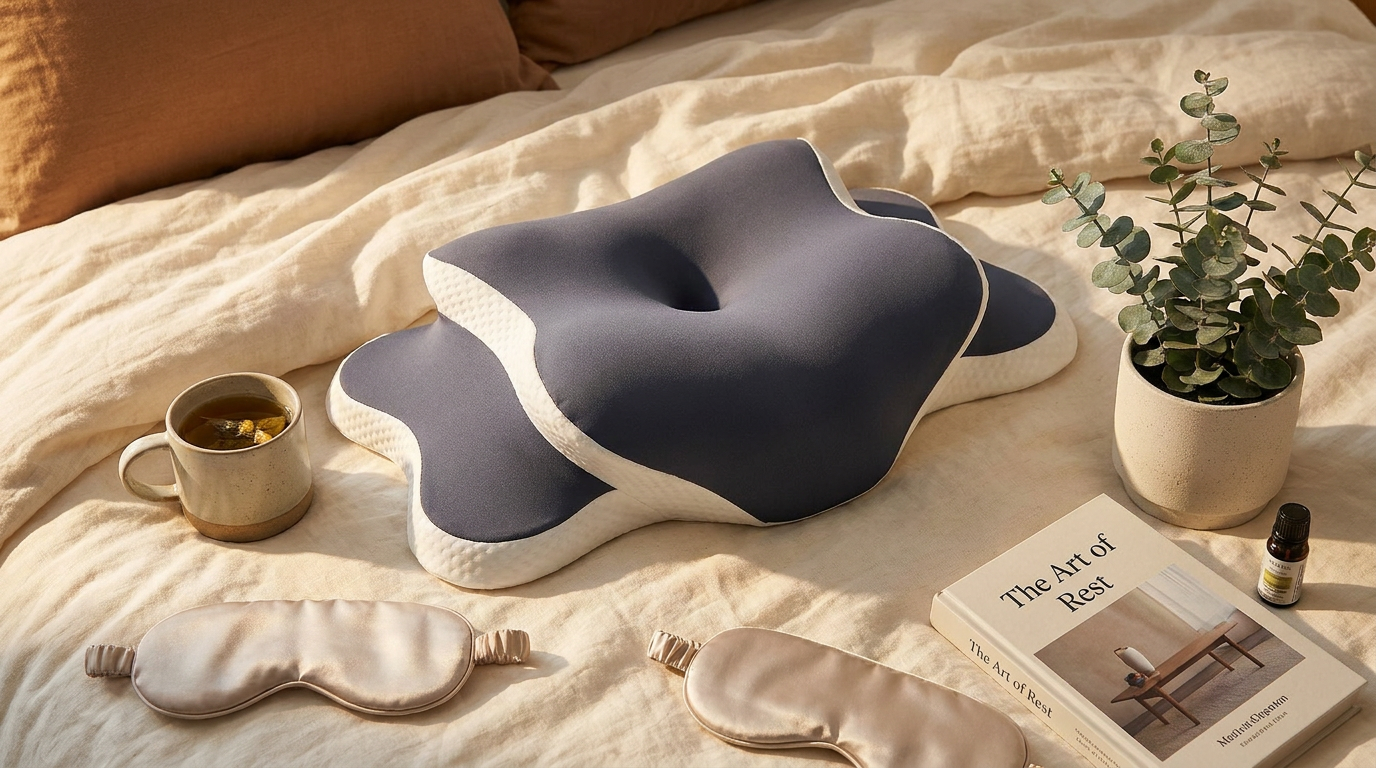
Pillow for Tension Headache Relief and Neck Pain
 Maya ChenContributing Editor
That familiar, dull ache wrapping around your head when you wake up can derail your entire day. If you frequently experience morning tension headaches, your pillow may be the culprit. While you sleep, your pillow is responsible for supporting the complex structure of your head and neck for hours. When that support is inadequate, it can lead to muscle strain, nerve irritation, and the chronic pain you know all too well. This guide explains how the right pillow provides more than just comfort—it offers a therapeutic solution for tension headache relief.
Why Your Pillow Might Be Causing Your Headaches
Tension headaches often stem from sustained muscle contractions in the neck, scalp, and upper back. During sleep, an unsupportive pillow can force your neck into an unnatural position. This misalignment causes the surrounding muscles to work overtime to stabilize your spine, leading to a state of constant micro-tension. This persistent strain can irritate nerves at the base of the skull and trigger what are known as cervicogenic headaches—pain referred to the head from a source in the cervical spine.
According to Johns Hopkins Medicine, cervicogenic headaches often manifest as a steady, non-throbbing pain at the back and base of the skull, sometimes spreading to the forehead and temples. When your pillow is too high, too low, or too soft, it allows your head to tilt, creating the exact mechanical stress that leads to this condition. Without a surface that maintains the natural C-shaped curve of your neck, your body can't achieve deep, restorative sleep, which lowers your pain threshold and makes you more susceptible to headaches.
Targeted Relief: How Our Cervical Pillow Works

Photo by Kindel Media on Pexels
The Memory Foam Cervical Pillow Neck Pain Relief is engineered to counteract these headache triggers with its precise ergonomic design. Unlike flat, traditional pillows that can exacerbate misalignment, our pillow is built to restore the natural posture of your neck and spine.
Its unique design features include:
- Ergonomic Contour: The pillow has a central depression to cradle your head and raised, rounded edges to support your neck. This ensures the cervical spine maintains its natural curve (lordosis), preventing the forward head posture that strains posterior neck muscles. Many users find that understanding how an ergonomic contour pillow for sleeping works is the first step toward finding relief.
- High-Density Memory Foam: The pillow is crafted from responsive, high-density memory foam. It adapts to your body heat and weight, molding to your unique shape to provide a perfect balance of softness and support. This material prevents your head from sinking too deeply, which is critical for maintaining consistent alignment throughout the night.
- Reduced Muscle Workload: By providing structural support, the pillow allows key muscles like the trapezius and levator scapulae to fully relax. When these muscles are no longer forced to compensate for poor posture, the primary trigger for many tension headaches is effectively removed.
Choosing the Right Support for Your Sleep Style
Finding the perfect pillow for tension headache relief depends on your primary sleeping position. A pillow that works for a back sleeper may cause strain for a side sleeper. Our Memory Foam Cervical Pillow Neck Pain Relief is designed with versatile contours to accommodate different needs.
Here’s a quick guide to ensure you get the most benefit:
- For Back Sleepers: Rest your head in the central cradle of the pillow. The lower contour should be positioned under your neck, providing support that keeps your chin from tilting toward your chest. This maintains a neutral spine from your head to your pelvis.
- For Side Sleepers: Use the higher contour of the pillow. This loftier side is designed to fill the space between your ear and the tip of your shoulder, keeping your head and neck perfectly aligned with the rest of your spine.
A Chiropractic-Approved Approach to Pain Management

Photo by cottonbro studio on Pexels
Many healthcare professionals, including chiropractors and physical therapists, recognize the importance of proper sleep ergonomics in managing chronic pain. A supportive cervical pillow is often recommended as a foundational, non-invasive tool to complement clinical treatments. By correcting mechanical issues at their source, you can enhance the benefits of adjustments, massage, and other therapies.
Investing in a high-quality pillow is an investment in your musculoskeletal health. As noted in a recent chiropractic neck support pillow review, consistent nightly alignment can lead to a significant reduction in the frequency and intensity of cervicogenic pain, allowing the body's natural healing processes to take over.
Frequently Asked Questions
How long until I feel headache relief with a cervical pillow?
While some users feel an immediate improvement in neck comfort, it can take anywhere from a few days to two weeks for your body to adjust to the new supportive posture. This adjustment period is normal as your muscles learn to relax into a healthier alignment. Consistent use is key to achieving long-term headache relief.Is a pillow for tension headaches a medical expense?
In many cases, an orthopedic or cervical pillow can be considered a medical necessity for treating conditions like chronic neck pain and cervicogenic headaches. This may make it eligible for purchase with a Health Savings Account (HSA) or Flexible Spending Account (FSA). We recommend checking with your plan administrator, and you can learn more by using your FSA or HSA for orthopedic pillows.Can this pillow help both side and back sleepers?
Yes. The Memory Foam Cervical Pillow Neck Pain Relief is specifically designed with dual contours. The lower side is ideal for back sleepers, as it cradles the head and supports the neck's natural curve. The higher side is built for side sleepers, providing the necessary height to fill the gap between the shoulder and head to keep the spine straight.Shop Memory Foam Cervical Pillow Neck Pain Relief here.