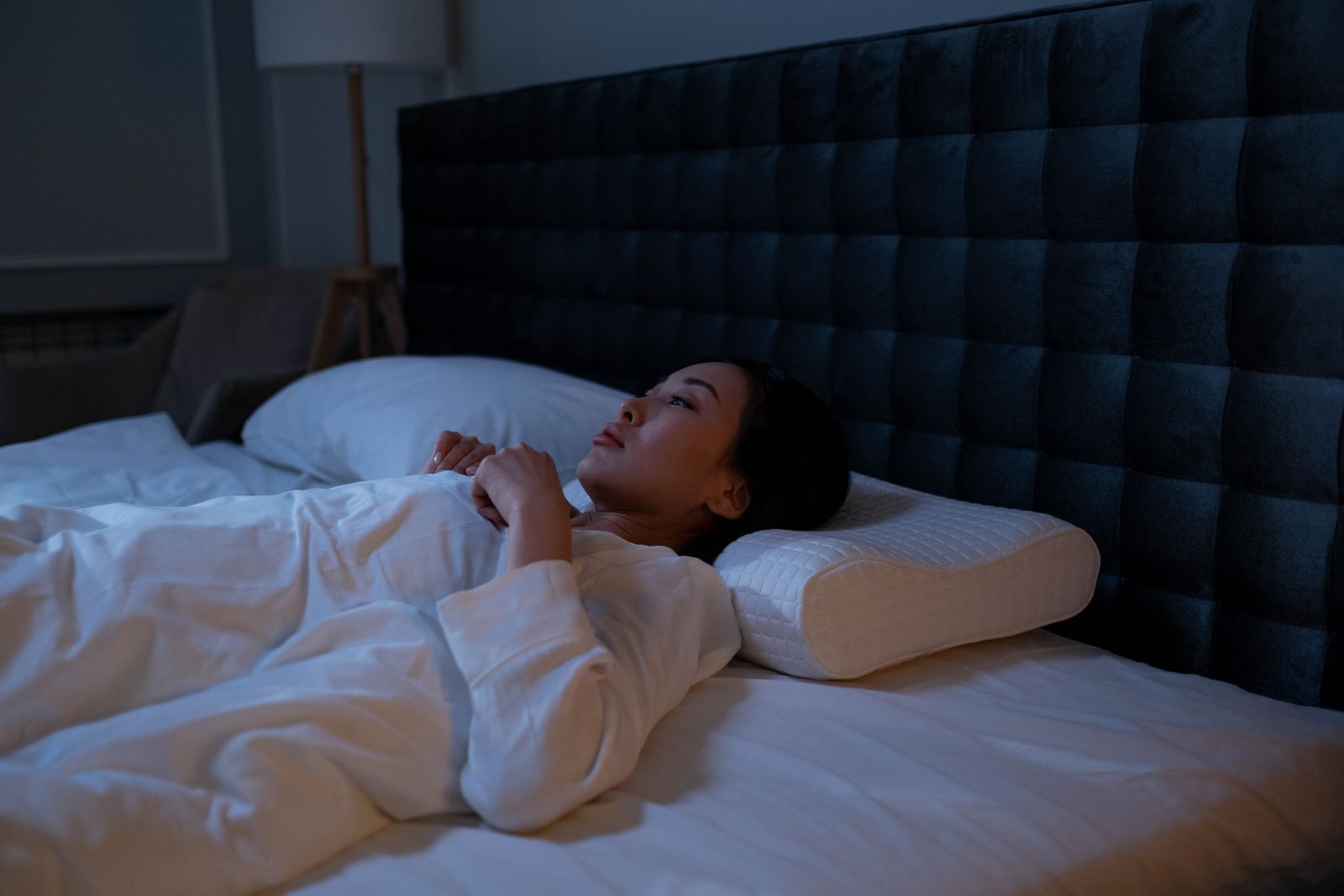
Why Does Memory Foam Retain Heat? How to Keep Your Cervical Pillow Cool All Night
Memory foam pillows get hot because viscoelastic foam is designed to conform: it reduces the air gaps that a springy fiber pillow leaves around the head and neck. Heat then sits in that close contact. Cooling solutions for a cervical pillow are practical, not magical — a breathable hypoallergenic foam core, a washable cover (about 30°C), bedroom airflow, and no extra insulating sham. You cannot make foam behave like an open window. You can stop adding blankets to the problem.
The physics is hugging, not a heater coil
Traditional memory foam is a temperature-sensitive polymer. It softens where you are warm and wraps the contact surface. That wrap is why a contour holds cervical shape. It is also why heat lingers compared with a lofty down cluster that still has channels.
A cervical contour has more contact at the neck ridge, so people notice warmth there first. That is support doing its job, plus trapped air.
“Gel” marketing is easy to invent and easy to ignore unless a specific product states it. This site’s contour is hypoallergenic, breathable, medium-firm memory foam — use those facts, not a mystery cooling layer.
Cooling solutions that actually change the night
Photo by Kampus Production on Pexels
Use the designed cover, not a heavy decorative sham that turns the valley into a winter hat. Wash the cover regularly around 30°C so oils do not seal the fabric. Never machine-wash the foam core; a wet core sleeps hotter and can lose contour.
Point a fan across the room, not blasting your eyes. Lower the bedroom a little if you can. Sleepers who run hot often also use extra pillows — each layer is insulation.
Give newly unboxed foam a day of airing. Some new foam smell is off-gassing, not heat, but stuffy rooms make both feel worse.
What not to do to “cool” a contour
Do not put the pillow in a freezer. Rapid temperature swings are not a care method and can make the first hour of sleep feel like a brick.
Do not add a vinyl protector that cannot breathe. Do not spray the core with water. Do not aim a hair dryer at damp foam and call it refreshed.
If the foam has collapsed, it may sleep hotter because you wriggle more and create friction. Replacement on a 2–3 year horizon is a cooling solution in disguise.
Position and heat
Stomach sleeping puts more face contact on foam — warmer and stuffier. Side and back on a correctly lofted contour usually mean less face-planting.
A ridge that is too high makes people bury their face in the valley to escape, which feels hotter. Fit first, then airflow.
If night sweats are new, drenching, or paired with other worrying symptoms, that is a health question, not a foam FAQ.
Heat sources versus cooling moves
| What warms the pillow | Better move | Skip | | --- | --- | --- | | Close foam contact | Breathable cover, no extra sham | Vinyl non-breathable protector | | Dirty, oily cover | Wash about 30°C | Soaking the foam core | | Still, warm room | Fan and a cooler setpoint | Freezing the pillow | | Collapsed foam | Replace the contour | Punching it hourly | | Face-down sleep | Low contour, less face press | Taller loft that forces burying |
Keep-the-cervical-pillow-cooler checklist
Photo by KATRIN BOLOVTSOVA on Pexels
- [ ] Air a new pillow before the first night.
- [ ] Sleep on the designed breathable cover only.
- [ ] Wash the cover around 30°C; dry fully.
- [ ] Keep the foam core dry.
- [ ] Use room airflow; skip headboard duvets over the skull.
- [ ] Recheck loft so you are not face-planting to escape height.
Frequently asked questions
Why do memory foam pillows get hotter than my old fiber pillow?
They conform and leave fewer air gaps. That is the same property that holds a cervical ridge.
Will a cervical contour always sleep hot?
Not always. Breathable foam, a clean cover, and a cooler room change the feel a lot.
Can I put the foam in the dryer on air fluff?
Do not cook the core. Dry the cover separately. Keep foam away from high heat.
Does medium-firm foam sleep hotter than soft foam?
Soft foam can wrap even more of the head. Medium-firm often leaves a slightly cleaner contact map if loft is correct.
Related reading
These cooling and foam guides explain the same heat-and-hug tradeoff.
- can a memory foam cervical pillow stay cooler
- cooling dynamics of a memory foam cervical pillow
- how to use a cervical pillow correctly
- FAQ on cervical pillows and neck discomfort
What to do next
Wash the cover around 30°C, skip the extra sham, and add room airflow tonight. That is how you keep a memory foam cervical pillow cooler without pretending foam is linen. If the core is a hot, collapsed hammock, replace it rather than freezing it.
Cover photo by cottonbro studio on Pexels.