Latex vs. Memory Foam Cervical Pillows for Neck Pain
 Jordan HaleStaff Writer
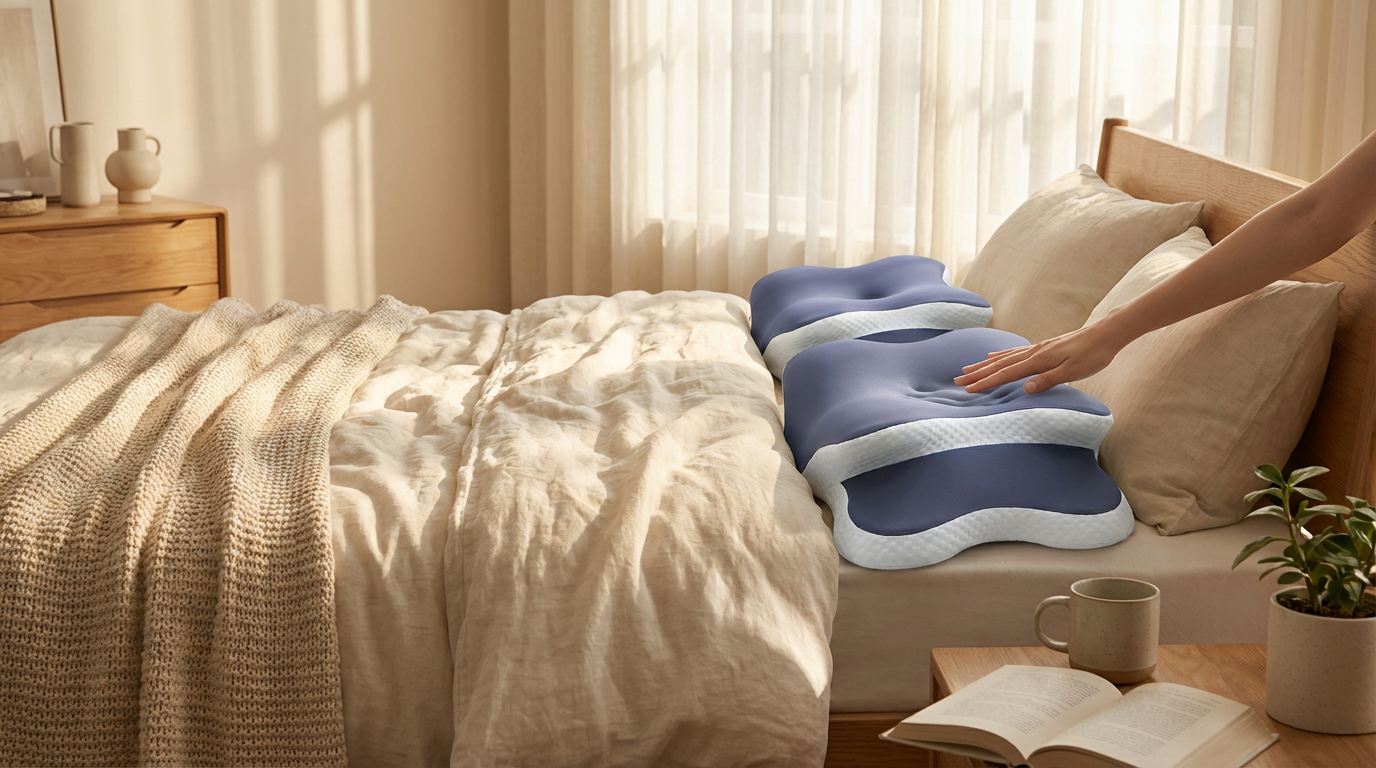
Waking up with a stiff neck is a frustrating start to your day. While many factors contribute to discomfort, your pillow material is a primary suspect. The market is dominated by two key players: memory foam and latex. Understanding their distinct properties is the first step toward lasting relief. This guide breaks down why the targeted support of the Memory Foam Cervical Pillow Neck Pain Relief is often the superior choice for those seeking to end neck pain.
Memory Foam: The Gold Standard for Contouring Comfort
Memory foam, a viscoelastic polyurethane material, reacts to body heat and pressure. Originally developed by NASA, its unique properties make it an ideal material for orthopedic support. When you rest on a memory foam pillow, it molds precisely to your shape, cradling your head and filling the gap between your neck and the mattress. This “hugging” sensation provides unparalleled pressure relief.
For chronic discomfort, precise contouring is essential. It helps maintain spinal alignment, which is the cornerstone of effective neck pain relief and how cervical pillows fix your sleep. Our pillow uses high-density memory foam to ensure personalized support night after night.
Key Benefits of Memory Foam:
- Superior Pressure Relief: By distributing weight evenly, it eliminates pressure points on the neck and shoulders.
- Personalized Contouring: It adapts to your anatomy, ensuring your cervical spine stays in a neutral position.
- Excellent Motion Isolation: The foam absorbs movement, ideal if you share a bed with a restless partner.
- Proven Durability: High-density memory foam is built to last for years without losing support.
Latex: The Responsive and Bouncy Alternative
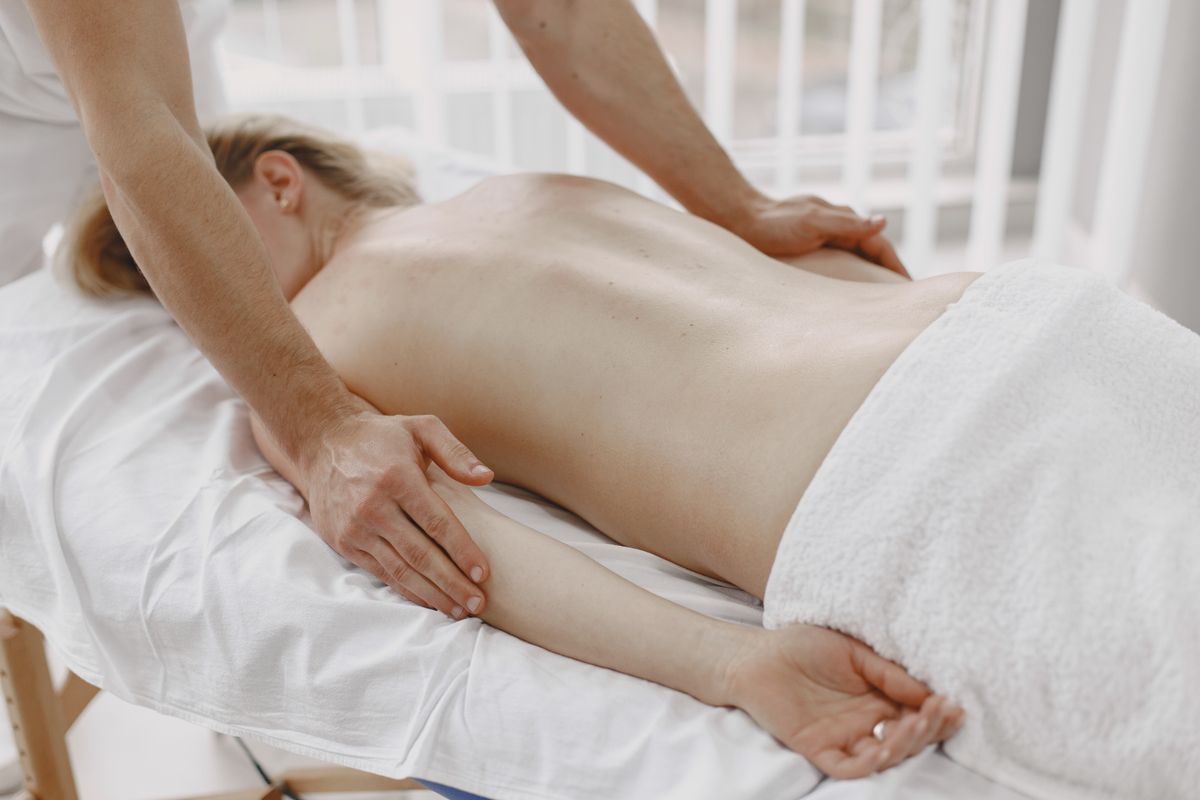
Photo by Gustavo Fring on Pexels
Latex pillows are crafted from rubber tree sap (natural latex) or synthetic materials. Unlike memory foam's slow, sinking feel, latex is defined by resilience. It offers a bouncy, buoyant support that pushes back against pressure instantly, adjusting rapidly as you shift positions.
While it provides generalized support, it lacks the deep, personalized contouring of memory foam. For some, this 'on top of' feeling is preferable, but for those with specific alignment needs, it can fall short.
Key Benefits of Latex:
- Instantaneous Response: The material springs back immediately, adapting quickly to movements.
- Cooler Sleep: The open-cell structure naturally promotes airflow, making it more breathable than traditional foams.
- Naturally Hypoallergenic: Natural latex is inherently resistant to dust mites and mold.
- Long-Lasting: Latex is one of the most durable pillow materials available.
Head-to-Head Comparison: Memory Foam vs. Latex
| Feature | Memory Foam Cervical Pillow | Latex Cervical Pillow | | :--- | :--- | :--- | | Feel | Slow-sinking, 'hug-like' | Bouncy, 'lifting' | | Support Style | Molds to your exact shape | Generalized, resilient support | | Pressure Relief | Excellent, targeted relief | Good, but less focused | | Temperature | Can retain heat (modern foams have cooling) | Naturally breathable | | Responsiveness | Slow to reshape | Instantaneous | | Allergies | Hypoallergenic options available | Inherently hypoallergenic | | Price | Wide range, many affordable options | Generally higher price point |
Making the Right Choice for Your Sleep Needs

Photo by Yan Krukau on Pexels
For a comprehensive overview, see Your Guide to the Memory Foam Cervical Pillow Neck Pain Relief.
Frequently Asked Questions
Is memory foam or latex better for severe neck pain?
For chronic neck pain, memory foam is generally recommended. Its ability to contour precisely provides targeted support that keeps your spine in neutral alignment. This cradling alleviates pressure on sensitive joints more effectively than the generalized support of latex.
Will a memory foam pillow get hot while I sleep?
High-quality modern designs often feature an open-cell structure or ventilation channels to promote airflow and dissipate body heat, ensuring a cool night's sleep.
The Verdict: Support Tailored for Relief
While latex is durable and responsive, its generalized support may not suffice for therapeutic relief. The Memory Foam Cervical Pillow Neck Pain Relief stands out for deep, personalized contouring. By molding to your body, it delivers targeted pressure relief and addresses the root causes of neck pain. For restorative sleep, high-density memory foam remains the superior choice.