How to Sleep with Neck Pain: The Ultimate Relief & Alignment Guide
Waking up with neck soreness or stiffness can derail your entire day. Learning how to sleep with neck pain requires understanding proper biomechanics, maintaining healthy spinal alignment, and choosing the right ergonomic support for your specific sleep position.
Understanding Neck Pain During Sleep
Neck discomfort at night often stems from poor cervical spine alignment, muscle strain, or improper pressure distribution. When your head is propped too high or allowed to sink too low, the surrounding muscles stay tense throughout the night rather than relaxing. Over an average sleep duration of 7-9 hours, this stress accumulates, leading to morning stiffness and tension headaches.
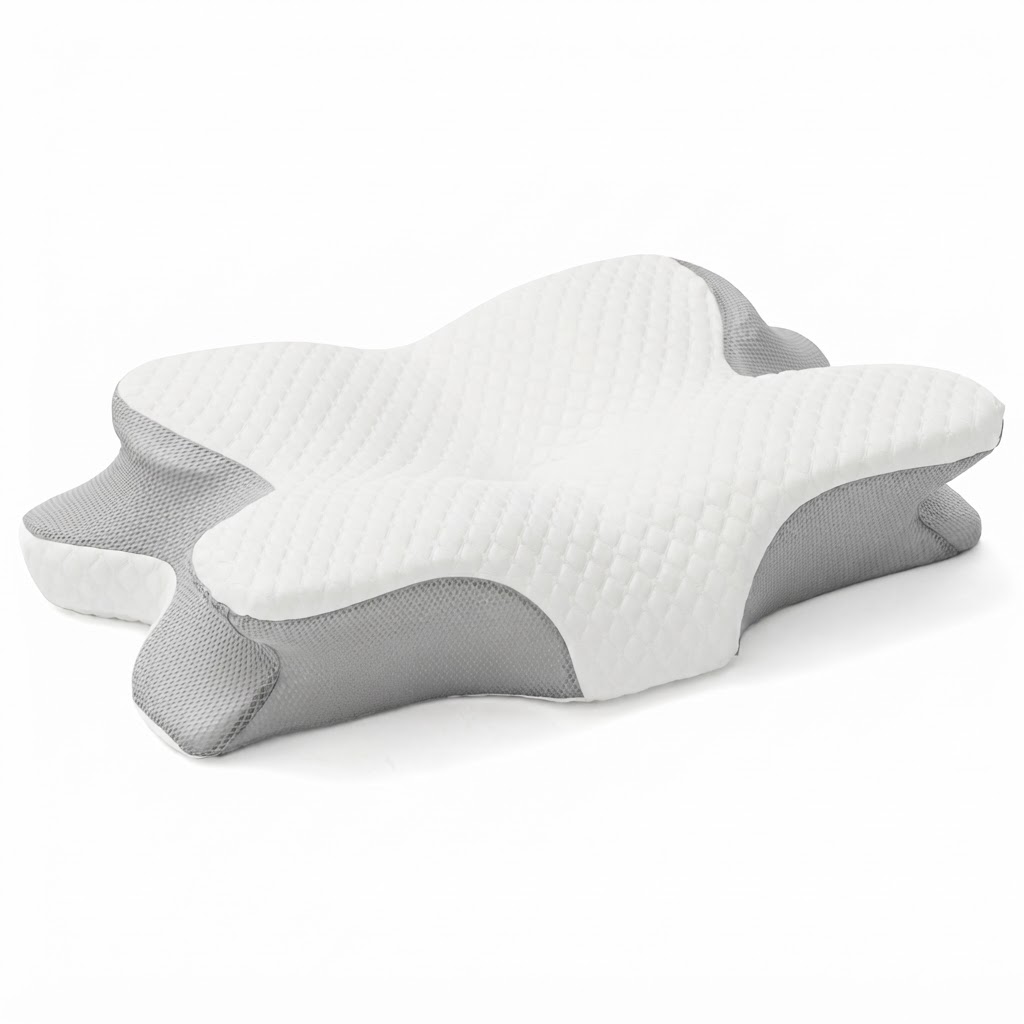
To prevent chronic neck strain, you must support the natural lordotic curve of your cervical spine. This curvature requires structural fill beneath the neck while leaving room for the head to rest without excess elevation.
Ideal Sleeping Positions for Spinal Alignment
Your sleep posture plays a critical role in cervical health:
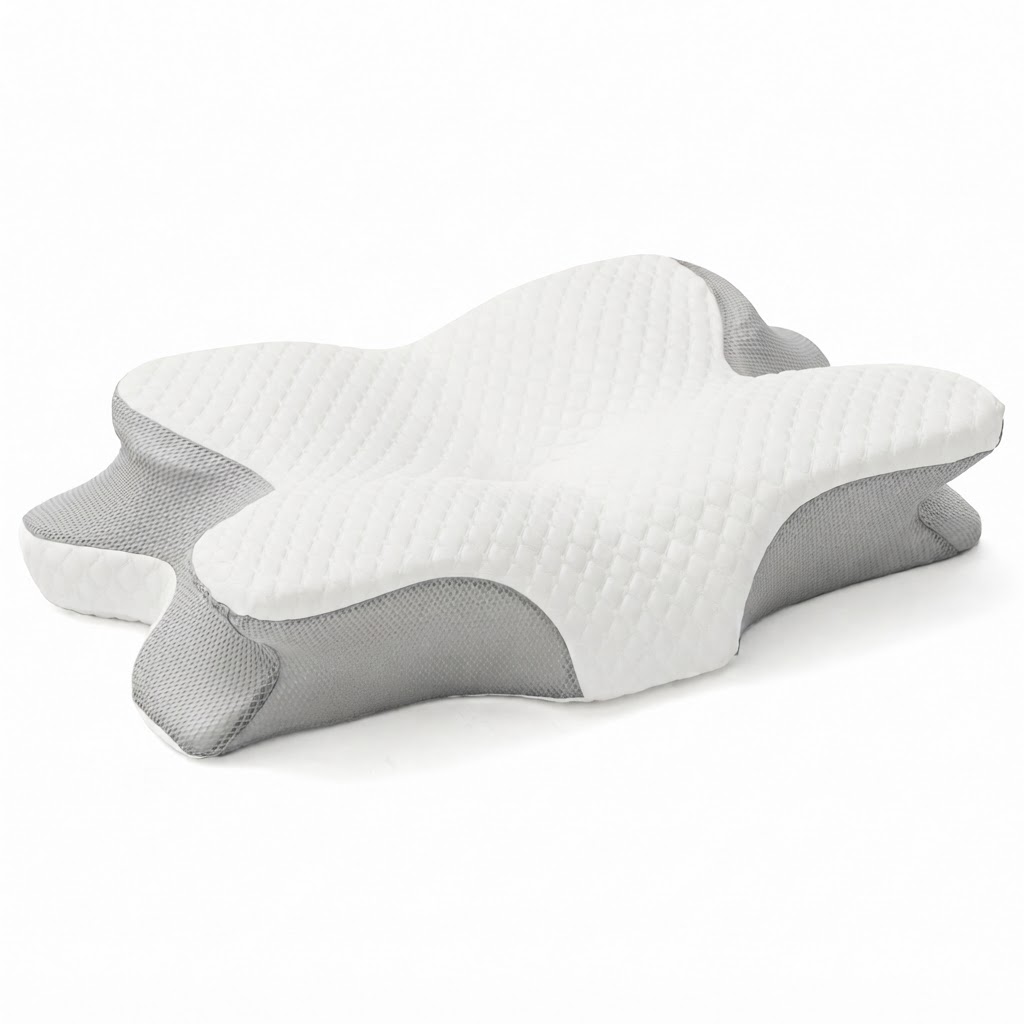
- Back Sleepers: Back sleeping is widely considered ideal for spinal health. A supportive cervical contour fills the gap between your neck and the mattress without lifting your head forward.
- Side Sleepers: Side sleeping requires adequate height to bridge the shoulder-to-neck distance, typically around 3-5 inches, maintaining a straight horizontal line from the base of the skull through the spine.
- Stomach Sleepers: Stomach sleeping causes significant neck rotation. Transitioning to side or back sleeping is recommended, though using a low-profile ergonomic support can minimize strain during adaptation.
Choosing the Right Cervical Support
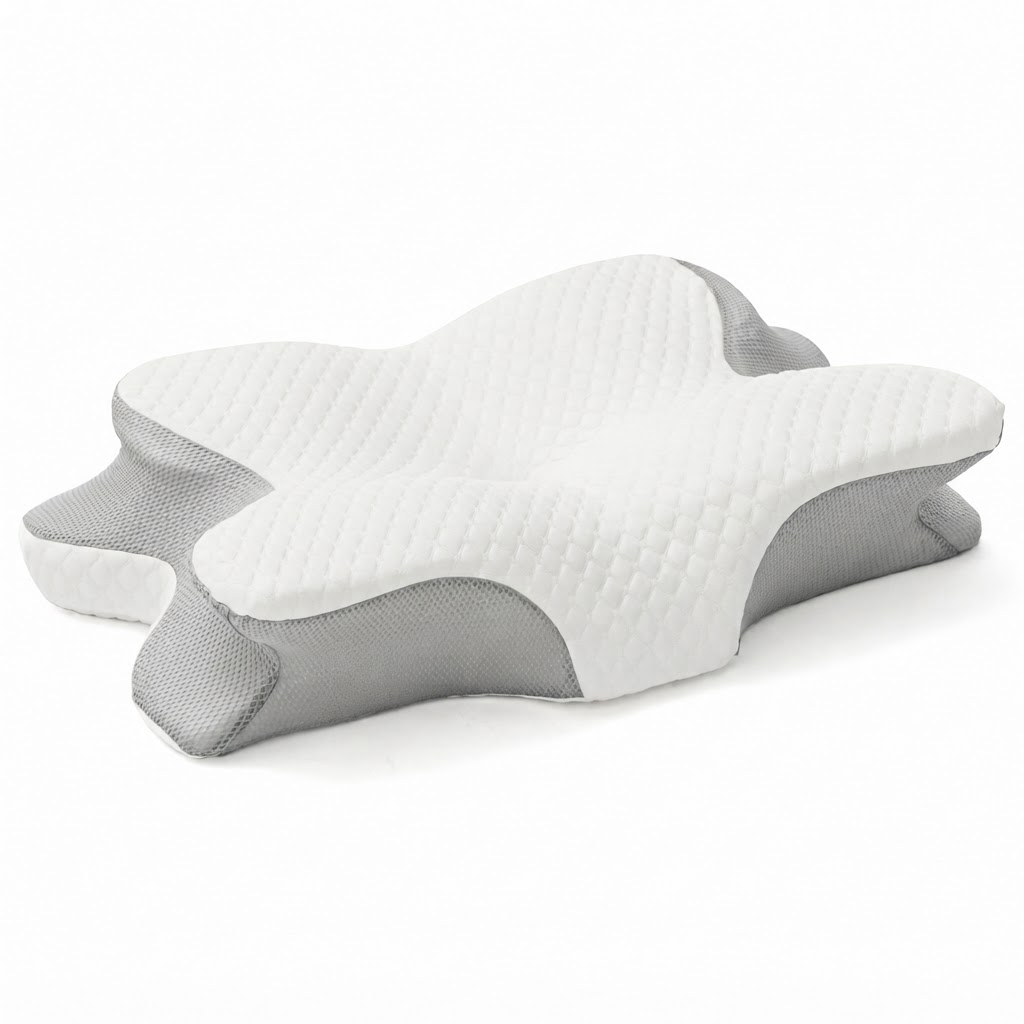
Using an optimized cervical pillow engineered with high-quality memory foam adapts to your body's unique shape. A medium-firm density rating ensures pressure point relief without collapsing under weight. Ergonomic designs offer specific contours that reduce neck and shoulder pain while accommodating all sleeping positions.
When trying a new contoured support pillow, expect an adaptation period of 3-7 days as your neck muscles adjust to neutral alignment.
Nighttime Habits to Reduce Morning Stiffness
Complement your setup with these night routines:
Related in this cluster
- Causes of Morning Neck Stiffness and How to Prevent It
- How to Adjust Your Sleeping Position for Neck Pain Relief
- Contour Memory Foam vs Regular Pillows for Neck Pain
- Best Cervical Pillow for Side Sleepers with Neck Pain
- Cervical Neck Pillow Frequently Asked Questions
- 5 Ways to Relieve Neck Tension Before Bed