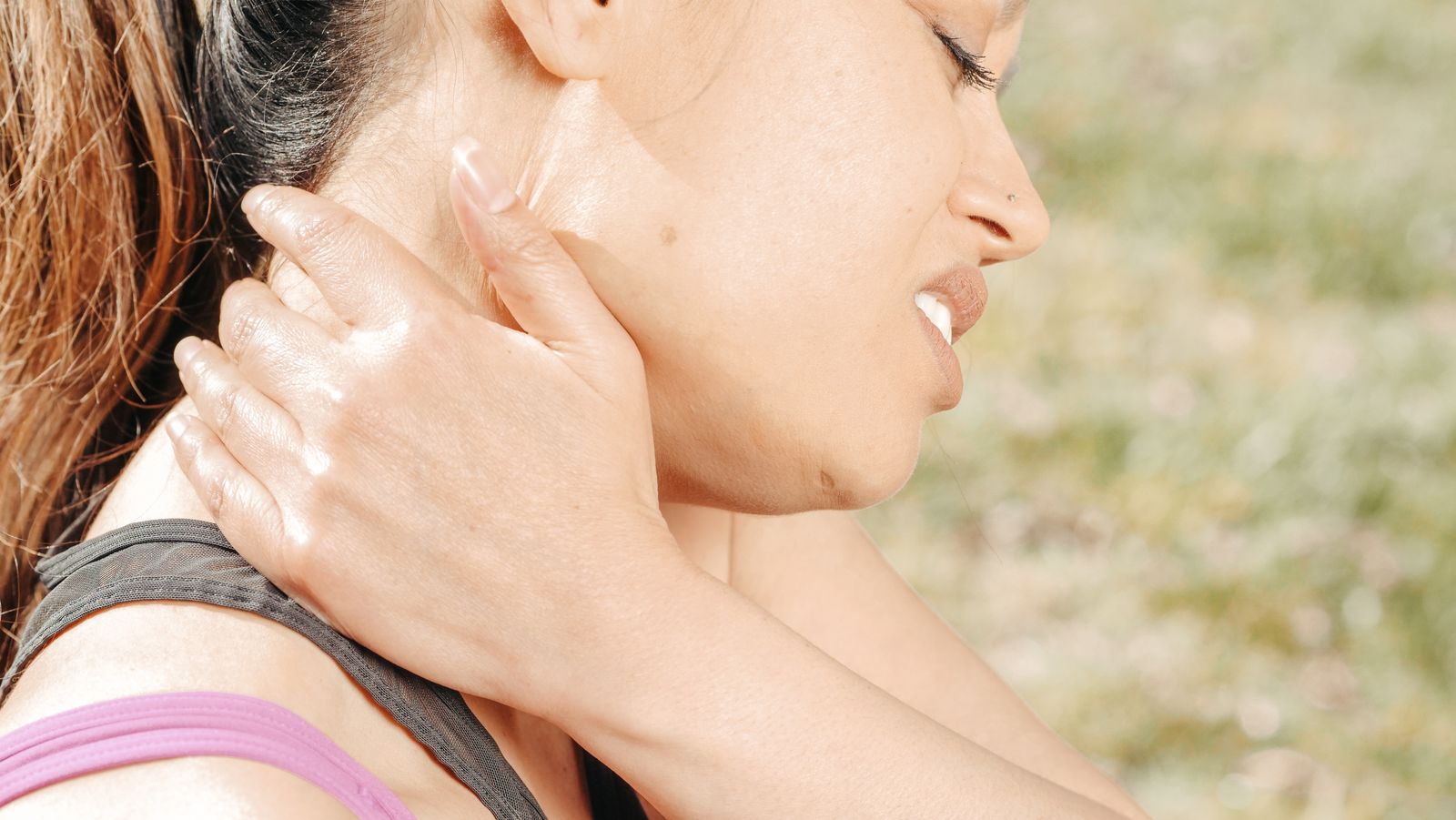
How to Stop Waking Up with Neck Pain When You Toss and Turn All Night
To stop waking up with neck pain when you toss and turn all night, give every landing a usable height: a dual-height cervical contour (high for side, low for back), one pillow instead of a nest, and a cooler breathable setup so you are not fighting heat. Tossing will still happen. The goal is that the neck is not left hanging or jammed after each roll. This is comfort geometry, not a promise to make you sleep motionless.
Why tossing plus a single loft hurts
A pillow that is perfect on your side is often too high on your back. When you roll at 3 a.m., you take the side-sleep loft with you and flex the neck. A thin back-sleep pillow becomes a hang when you roll onto your side.
Traditional nests make it worse: extras fall, you hunt them, the neck rotates through a search party.
A contour memory foam pillow is a map with two answers on one object. You still may need to scoot from high to low when you change position. That scoot is smaller than rebuilding a pillow fort.
Cut the reasons you toss

Photo by Kindel Media on Pexels
Heat: wash the hypoallergenic cover around 30°C, skip the sham, add room airflow. Pain: a ridge in the wrong place makes you flee it all night. Screens: a late chin-tuck loads the same muscles you then roll onto.
Alcohol and late heavy meals fragment sleep for many people. This article will not moralize; it will say fragmented sleep means more landings, so each landing should be safer.
Pets on the pillow are extra loft. They are also adorable. They are still extra loft.
A combination-sleeper night script
Fall asleep on the position you actually start in. High ridge if that is the side. When you wake on your back, slide to the low ridge rather than punching the pillow into a new shape. If you wake face-down, you are on the low ridge or you are extending the neck — choose the first.
Keep a spare cover, not a spare mountain of pillows.
Give 3–7 nights. People toss more the first nights on a new map, then less when the landing is predictable.
When tossing is not a pillow story
Apnea, reflux, anxiety, pain from another joint, or a mattress that dumps you into a hammock. A contour cannot treat those. If you snore loudly and gasp, that is a clinical conversation.
Neck pain with numbness or after injury is not a tossing FAQ.
If foam is collapsed, every landing is a random hammock. Replace on the 2–3 year clock.
Tossing triggers versus neck-safer moves
| Trigger | Why the neck pays | Safer move | | --- | --- | --- | | One loft for two positions | Roll onto the wrong height | Dual-height contour plus a scoot | | Pillow nest | Hunting extras, extra rotation | One cervical pillow | | Heat | Burrowing off the ridge | Breathable cover, airflow | | Headboard perch | Crown on the lip | Pull the pillow down | | Dead foam | No map at any landing | Replace |
Toss-and-turn neck checklist

Photo by https://kaboompics.com/ on Pexels
- [ ] Use one dual-height contour.
- [ ] Start on the matching ridge.
- [ ] Scoot when you change position.
- [ ] Cool the room; wash the cover.
- [ ] Ban the 3 a.m. extra-pillow hunt.
- [ ] Replace a pancake core.
Frequently asked questions
Will a cervical pillow stop me tossing and turning?
Not by itself. It makes each toss a safer landing if you use both heights.
I wake on my stomach with neck pain. Now what?
Use the lowest ridge and try to spend more of the night on your side. A tall contour will make face-down worse.
Should I stitch myself to one position?
No. Train the landing, not a paralysis plan, unless a clinician gave you a positional protocol.
Does medium-firm foam make restless people worse?
A correct map often reduces the need to punch the pillow. An incorrect firm ridge can increase tossing — fix height first.
Related reading
These restless-sleep and position guides support safer landings.
- contour support when sleep is restless and shoulders feel stiff
- how to adjust sleep position for spinal alignment
- how to reset sleeping posture in daily steps
- can a cervical pillow relate to snoring comfort
What to do next
Clear the extra pillows, put a dual-height cervical contour on the bed, and decide which ridge you start on. When you toss, scoot to the matching height instead of building a nest. That is how you stop waking with as much neck pain from a night of turning.
Cover photo by Kindel Media on Pexels.